
President at Private Club Group
Since the pandemic, private country clubs across the United States have experienced an extraordinary resurgence. Membership inquiries have increased, waitlists have lengthened, and demand for lifestyle-driven communities has reached levels not seen in decades. Yet amid this momentum, one essential truth remains: no two private clubs are alike.
Some are oceanfront enclaves where the rhythm of daily life follows the tide and sunset. Others are mountain retreats defined by elevation, seasons, and expansive views. Many are residential golf communities where membership and real estate are intertwined. Each club has its own personality, priorities, governance style, and culture.
The central question is not which club is the most prestigious or the most exclusive. The better question is far more personal: which club is right for you and your family?

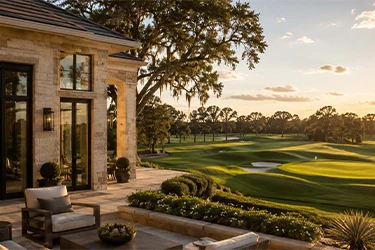
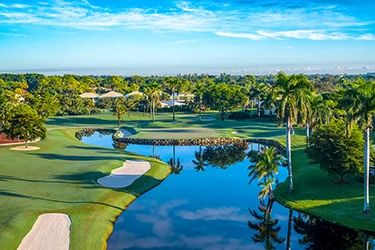
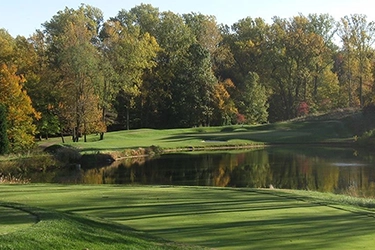
Willoughby Golf Club Championship Arthur Hills Golf Course
Choosing a Private Country Club Based on Your Stage of Life
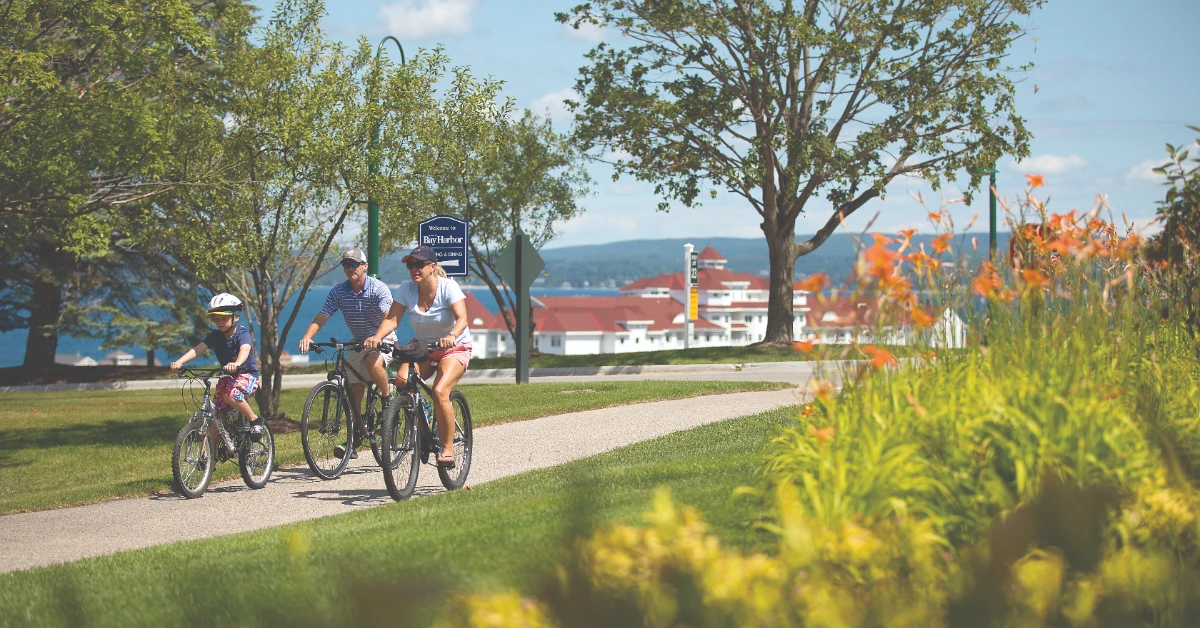
The answer depends largely on stage of life. Young families often evaluate clubs through a lens of activity and belonging. They are looking for energy, youth programming, and opportunities for their children to form friendships that extend beyond the clubhouse. The vibrancy of the pool deck, the strength of junior golf instruction, and the presence of year-round camps and family events matter deeply. Casual dining, outdoor events, and a welcoming atmosphere toward younger members often outweigh tradition or formality. For this cohort, a club must feel alive and inclusive.
Pre-retirees and active professionals typically approach the decision differently. Their focus shifts toward balance, access, and social depth. They may prioritize reliable tee-time availability, quality dining, fitness and wellness facilities, and a membership base that is professionally engaged. For many in this stage, the club becomes both a recreational outlet and a social network. The strength of programming, the energy in the clubhouse on a Saturday evening, and the consistency of service all contribute to perceived value. This group is often evaluating not only enjoyment but long-term sustainability.
Retirees, meanwhile, tend to seek stability and predictability. Course quality and playability become more central, as does tournament structure and the overall depth of the golf culture. Governance stability and leadership continuity begin to matter more. Dining experiences are expected to be refined yet comfortable, and social relationships often define daily life. For this stage, a club is less about experimentation and more about belonging to a community that feels established and enduring.
How Location Impacts the Private Club Experience
Beyond stage of life, location fundamentally shapes the experience. An oceanfront club often carries a relaxed, resort-oriented character. Mountain clubs emphasize retreat and seasonality. Suburban residential communities integrate daily living with club access. Urban clubs may center on networking and convenience. The setting influences not only recreational opportunities but also the pace of life, the demographics of membership, and the rhythm of engagement.
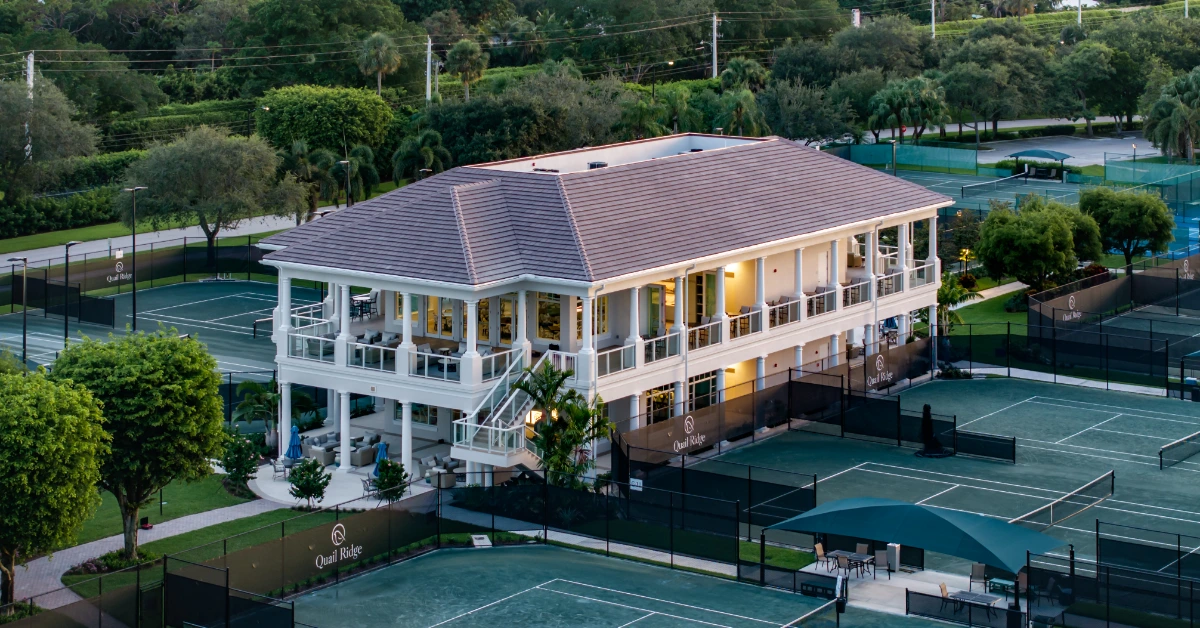
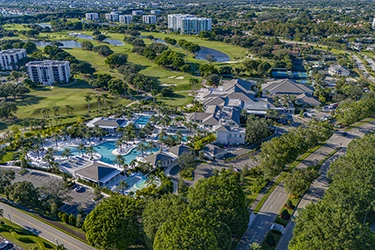
Quail Ridge Country Club New Racquet Sports Center
What Amenities Actually Matter in a Private Country Club
Amenities themselves deserve careful consideration—but not at surface level. An 18-hole course is different from a 27- or 36-hole facility in ways that affect tee-time availability and tournament depth. A club that lists pickleball courts may or may not have meaningful league participation. A wellness center can range from a modest fitness room to a comprehensive spa and training campus. The key question is not simply whether an amenity exists, but whether members actively use it. Engagement is a stronger indicator of club vitality than any brochure description.
Why Dining and Social Life Define Club Value
Dining culture often serves as the heartbeat of a private club. The number of venues matters less than the energy within them. Is the atmosphere lively? Are reservations difficult to obtain because members are present and engaged? Does the culinary program evolve? The social calendar, holiday programming, and member events reveal far more about a club’s health than square footage alone.
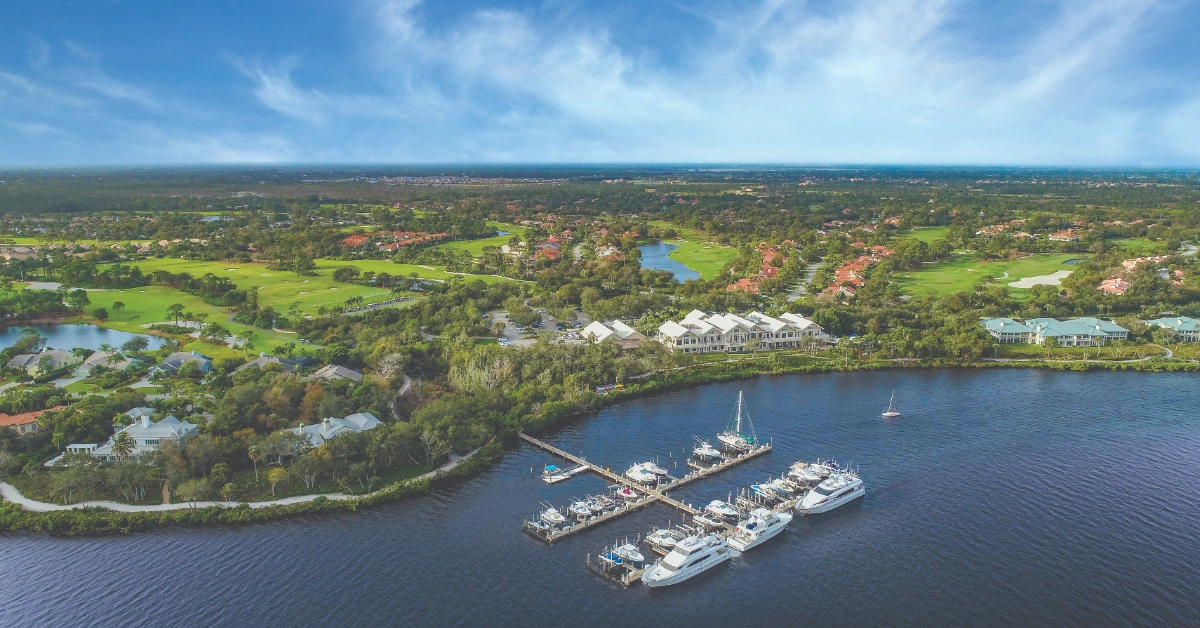
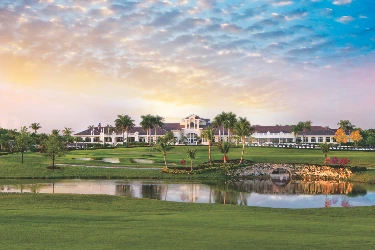
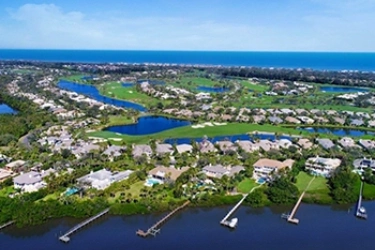
Harbour Ridge Yacht & Country Club Private Docks
How to Evaluate Private Club Culture Before Joining
Perhaps the most overlooked dimension in selecting a private country club is culture. Culture is not written in bylaws or displayed in marketing materials. It is observed. It is felt. It appears in how members greet one another, how staff interact with guests, and whether multiple generations are present. Visiting more than once is essential. Dine at different times. Play a round of golf. Attend a social event. Watch how the club functions organically. Amenities can be replicated. Culture cannot.
The Connection Between Private Clubs and Real Estate Value
There is also a broader dynamic that thoughtful prospective members increasingly recognize. In residential club communities, the quality of the club experience often influences the strength of the surrounding real estate market. Engaged membership, stable governance, and a vibrant social culture tend to support long-term community stability. While this guide remains lifestyle-focused, it is difficult to ignore that the health of a club and the vitality of its community are closely connected.
Ultimately, the most successful club decisions are not driven by prestige comparisons but by alignment. The right club feels natural. It supports your family’s stage of life. It offers the level of activity—or calm—that you desire. It feels welcoming, sustainable, and consistent.
There is no universally “best” private club. There is only the club that best fits your lifestyle, your expectations, and your long-term comfort.