For decades, real estate activity has been interpreted through a consistent lens: inventory levels, days on market, and transaction volume reported through the Multiple Listing Service. Within private club communities, that lens is becoming increasingly unreliable.
A structural shift is underway—one that is not fully visible in traditional data. A growing percentage of transactions inside private club environments are occurring before properties ever reach MLS. As a result, what appears to be a tight market on paper may, in reality, be even more constrained, more competitive, and more dynamic than reported.
This is not a temporary anomaly. It is an emerging pattern that is beginning to redefine how real estate functions within private club communities.
The Emergence of a “Hidden Market”
Inside many private club communities, real estate is no longer flowing through a purely public channel. Instead, transactions are increasingly influenced by internal networks—member relationships, informal conversations, and early awareness of upcoming listings.
When a property is expected to come to market, that information often circulates within the community before it is formally listed. In high-demand environments, this can result in properties being shown, negotiated, and in some cases effectively sold before they ever appear in MLS.
As this pattern becomes more consistent, the role of on-site real estate presence begins to shift. It is no longer limited to marketing active listings; it becomes a point of connection to the flow of information within the community. Teams that are embedded on-site within the community and club environment are better positioned to recognize early signals, engage with homeowners before formal listing decisions are made, and align emerging inventory with active buyer demand.
This creates a form of “inside track” that is not based on exclusivity, but on proximity, awareness, and consistent engagement. In a market where timing and access are increasingly influential, that presence can play a meaningful role in how effectively demand is captured and opportunities are matched.
Boca West: A Real-Time Example of the Shift
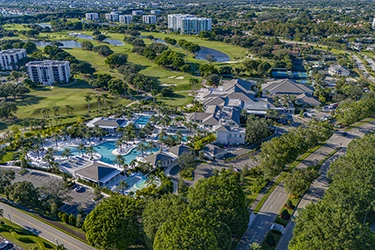
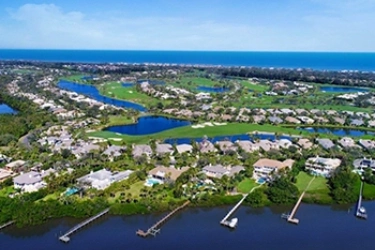
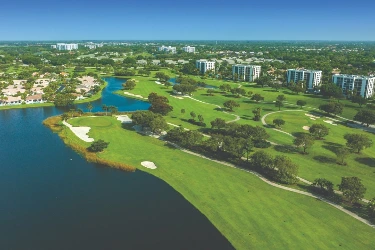
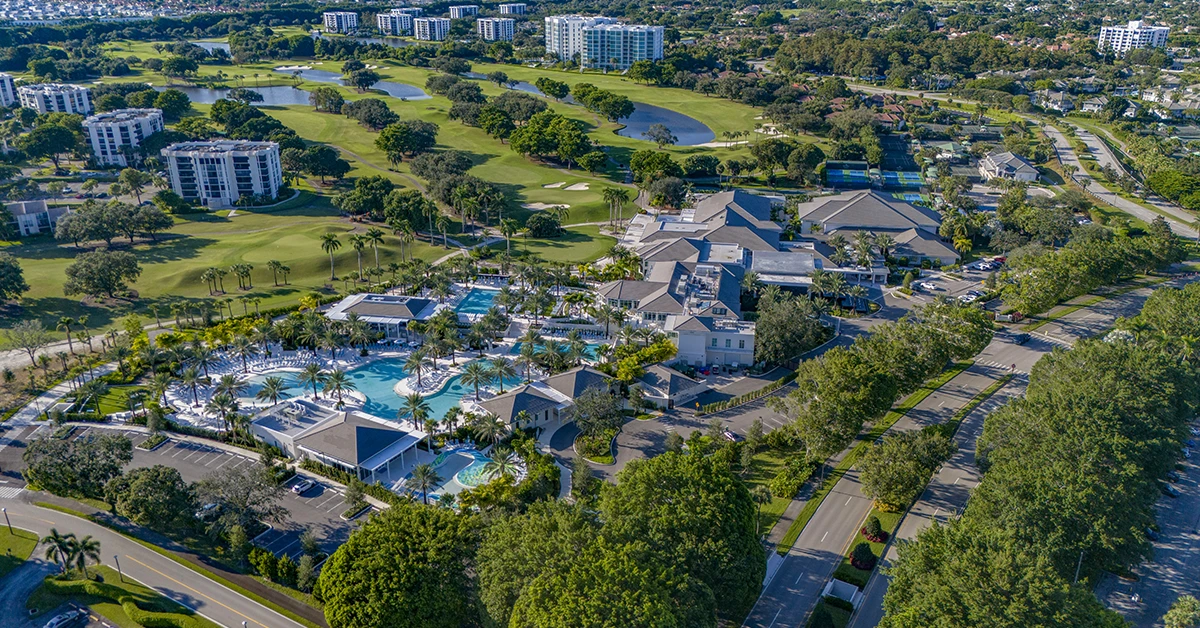
This dynamic is currently playing out in real time at Boca West, one of the most highly regarded private club communities in the country.
Within a community of approximately 3,500 homes, only 28 properties are currently listed on MLS today—a mere fraction of the historical average and an all-time low for the 40-year-old community. At the same time, demand remains strong, and properties are being absorbed quickly, often through channels that are not immediately visible to the broader market.
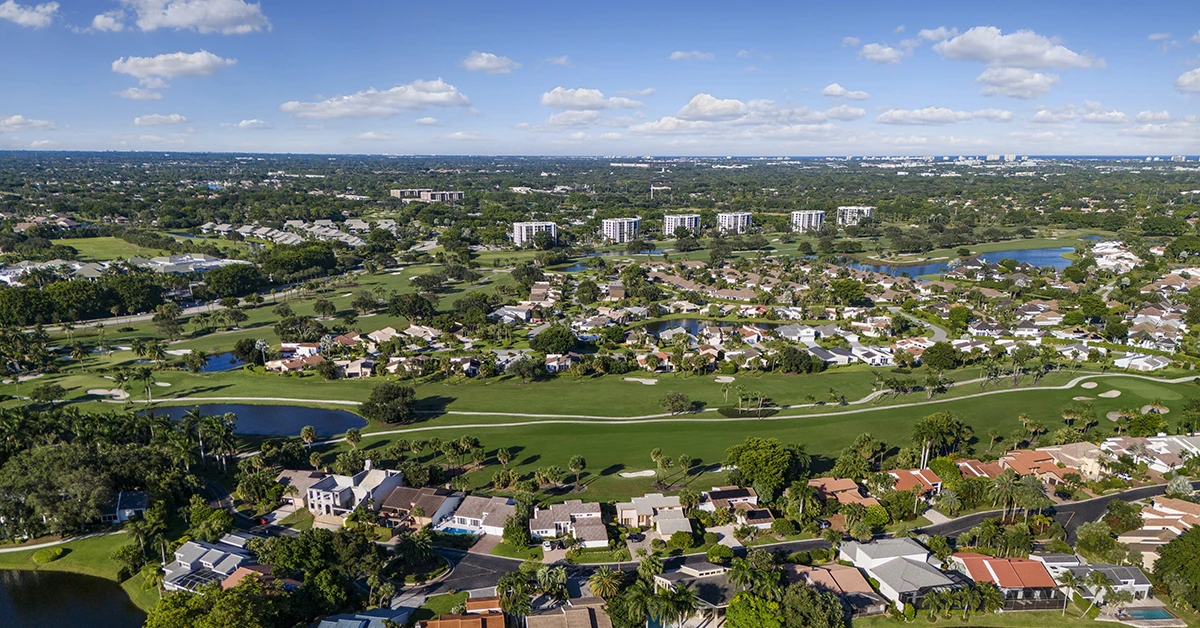
According to Stephann Cotton, Managing Broker of Record, this is not a reflection of a lack of transactions or demand—it is a reflection of how the market is evolving. “The market is strong, and demand for gated, private golf club living remains high,” says Cotton. “Access to the market and available inventory are changing. What people see in MLS is only part of the story.”
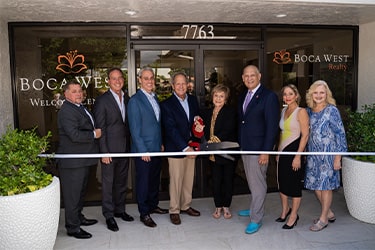
Recognizing this shift early, Boca West Realty has developed a more structured approach to managing demand and inventory flow. This includes direct engagement with homeowners, ongoing communication within the community, and the creation of buyer waiting lists designed to match demand with emerging opportunities.
The objective is not simply to react to market conditions, but to drive continued interest, resulting in a waiting list environment and increasing home values for residents.
Why This Is Happening Now
Several forces are converging to accelerate this trend.
Demand for private club communities continues to expand. Migration from the Northeast, driven by tax considerations and business relocation, has introduced a new wave of buyers seeking lifestyle-driven environments centered around golf, amenities, and community experience.

At the same time, inventory in golf-oriented communities remains inherently limited. Many private club communities were developed decades ago, and while they continue to evolve, the total number of residences is fixed. As demand increases and supply remains constrained, competition intensifies.
In this environment, information becomes as valuable as inventory itself.
Buyers who gain early visibility into opportunities have a distinct advantage. Sellers benefit from heightened demand and reduced time on market. And transactions begin to shift toward more controlled, relationship-driven pathways.
The Buyer Experience Is Changing
From the buyer’s perspective, this shift is creating a different kind of market friction. Traditional search methods—online listings, MLS alerts, and third-party platforms—are no longer sufficient to capture the full range of available opportunities.
According to Mallory McCabe, Senior Sales Executive with Boca West Realty, this is one of the most common challenges expressed by prospective buyers today. “We’re hearing it every day. Buyers are actively looking, but they feel like they’re always one step behind. By the time something becomes visible, it’s often already under contract.”
This dynamic is subtly reshaping buyer behavior. Access is no longer defined solely by search—it is increasingly influenced by timing, relationships, and proximity to information.
Why MLS Data Is Becoming Incomplete
The Multiple Listing Service remains an important tool. But within private club communities, it is no longer a complete representation of market activity. When transactions begin before formal listing—or move quickly through internal channels—key indicators such as days on market, inventory levels, and even pricing trends can become distorted.
For club leadership, this creates a potential blind spot.
Decisions related to membership strategy, capital planning, and community positioning are often informed by real estate performance. If the underlying data does not fully reflect reality, those decisions may be based on an incomplete understanding of demand.

What This Means for Club Leadership
This shift carries broader implications beyond individual transactions.
Private club communities operate as interconnected ecosystems. Real estate performance influences membership demand. Membership demand influences capital investment. And capital investment shapes the long-term vitality of the club.
As real estate activity becomes less visible through traditional channels, leadership must rely on deeper, more contextual understanding rather than surface-level metrics. But understanding alone is no longer sufficient.
In an environment where information flow, timing, and internal awareness increasingly shape outcomes, the structure through which real estate is managed becomes more consequential. Communities that maintain a consistent, on-site real estate presence—focused specifically on the dynamics of the private club environment—are better positioned to interpret signals early, engage both buyers and homeowners proactively, and maintain alignment between market activity and broader club objectives.
Those who rely solely on external channels or fragmented visibility may find themselves reacting to conditions that have already evolved.
A Structural Shift, Not a Temporary Trend
The increasing role of private, off-market transactions is not likely to reverse. If anything, it is expected to accelerate as demand continues to outpace available inventory in high-quality club environments. This does not eliminate the role of MLS. But it does redefine its position—from a complete view of the market to one component within a more complex system.
As this system evolves, real estate within private club communities becomes less dependent on public exposure and more influenced by internal coordination, communication, and timing. In that context, an on-site real estate operation—dedicated exclusively to the community—takes on a more central role. Not as a sales function alone, but as a mechanism for capturing and interpreting demand, creating continuity between buyers and sellers, managing the flow of inventory within a constrained environment, and supporting long-term value through disciplined engagement.
For private club communities, the implication is clear: understanding the market now requires not only looking beyond what is publicly visible, but also establishing the internal structure capable of responding to what is happening beneath the surface.
The Direction of the Private Club Market
The most important shifts in any market are often the least visible at first. Within private club communities, real estate is becoming less transactional and more relational. Less public and more internal. Less reactive and more intentionally managed.
In that environment, communities that treat real estate as a passive function may struggle to keep pace with changing conditions. Those that recognize the importance of consistent, embedded presence—supported by a dedicated on-site operation—are better positioned to maintain visibility into the market, guide activity proactively, and reinforce both property values and membership strength over time.
For those paying attention, the signals are already there.
About Private Club Group
Private Club Group is a national alliance of experienced industry leaders providing integrated strategic perspective across private club communities. The group brings together expertise in governance and operations, marketing visibility, and real estate strategy to help club leadership teams navigate evolving market conditions and make informed decisions with clarity and confidence.
The alliance is comprised of:
Cotton & Company – Marketing strategy, digital positioning, and AI-driven visibility for luxury residential and club environments
Private Club Realty Group – Real estate operations and brokerage strategy within private club communities
Elevated Club & Community – Governance, leadership, and operational advisory for private clubs and master-planned communities
For more information or to continue the conversation, connect with Private Club Group or one of its alliance partners.